

How contract compliance audits help Chief Procurement Officers (CPOs) reduce costs, mitigate risks, and identify untapped savings.
Table of Contents
What is a Contract Compliance Audit?
A contract compliance audit is a detailed review of your contracts to confirm that all parties are meeting the agreed-upon terms.
Auditors examine financial records, processes, documentation, and performance metrics to confirm that both sides are holding up their end of the deal. Most organizations bring in an independent third-party audit firm to keep the process objective.
Why Your Business Needs a Contract Compliance Audit
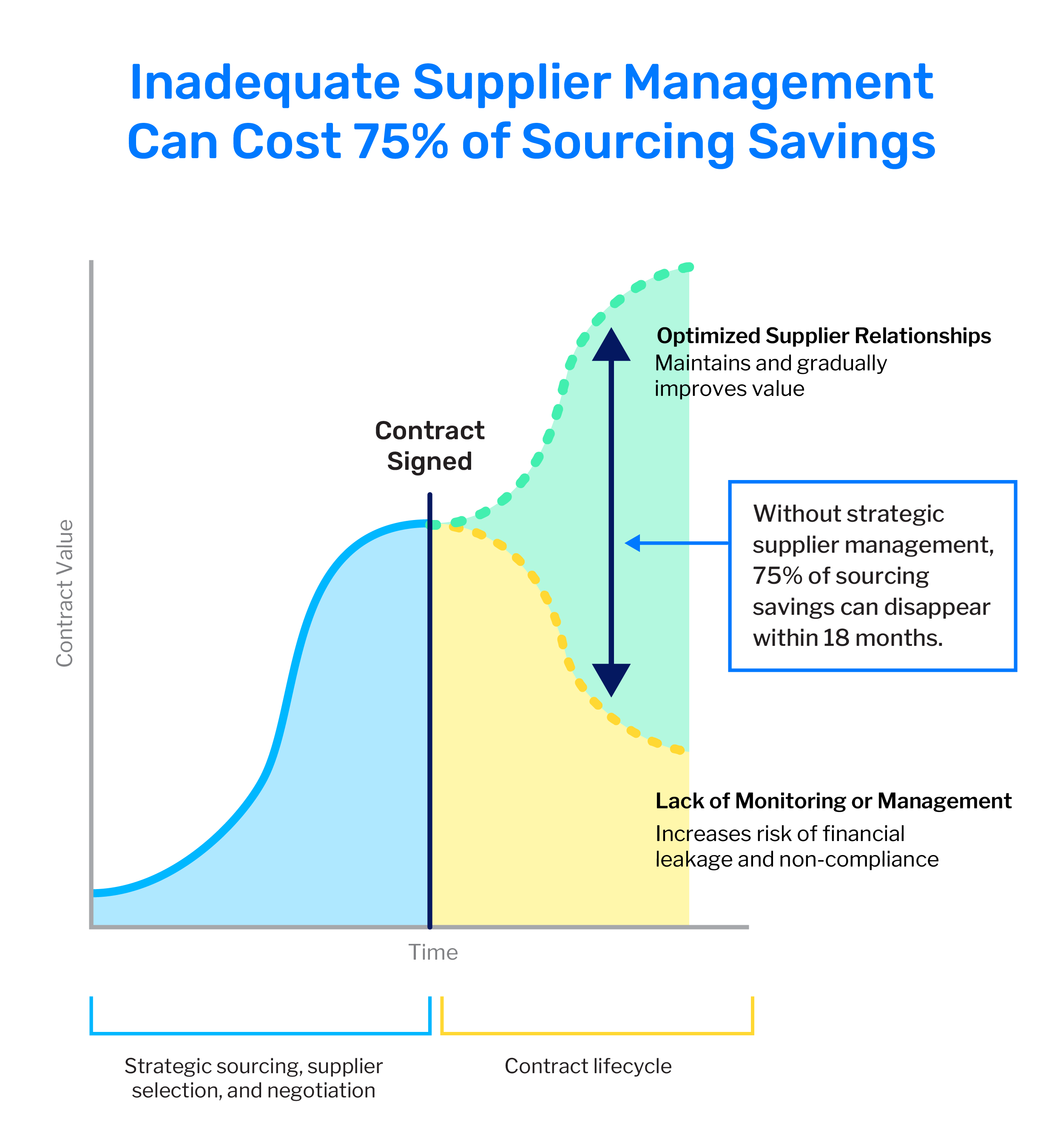
Organizations lose an average of 11% of procurement contract value after signing – up from 8.6% a few years ago – and most don’t even track where it’s coming from. For large organizations, that adds up to millions in lost profits.
After putting hours into negotiating the perfect contract, maintaining oversight can be a challenge. But without regular audits, small mistakes can snowball quickly and erode the value of your contract.

Common causes of contract value erosion include:
- Cost overruns: Projects that take longer and cost more than expected can quickly erode the value of the contract.
- Lack of governance or visibility: Without a clear process, overbillings slip through easily. Procurement is often left out of the billing workflow, so they can’t catch errors early. And invoice approvers rarely have the supplier detail, time, or resources to check for mistakes.
- Vague or undefined terms: Ambiguous language means you and your supplier may interpret costs differently. 90% of business professionals find contracts “impossible to understand.”
- Lack of communication: 48% of organizations say that there is no clear responsibility for contract oversight. Without a clear structure, everyone assumes someone else is responsible, and mistakes go undetected.
- Unexpected business events: External factors like market fluctuations and M&A activity cause unpredictable cost spikes, unreliable supply chains, and organizational disruptions. A well-written, well-monitored contract can reduce their potential impact.
A contract compliance audit can stop margin erosion in its tracks without overextending your team. An audit with SC&H requires, on average, only 12 hours total of stakeholder support per engagement.
Benefits of Regular Contract Compliance Audits
BENEFIT #1
Recover Millions in Lost Profits
A contract compliance audit can lead to significant cost recoveries. On average, our team recovers 2-4% of the transaction value audited, adding up to millions on large, multi-year contracts. And when performed regularly, audits prevent value erosion from reoccurring.
BENEFIT #2
Improve Supplier Relationships
It might seem counterintuitive, but contract compliance audits can actually improve supplier relationships. They build trust by opening up communication and reducing conflict. These audits can even repair damaged relationships and help both sides come out ahead.
BENEFIT #3
Increase Efficiency & Do More With Less
Contract compliance audits uncover where your processes and controls are out-of-sync or underperforming. Your team can use the audit findings to address the issues, improving your contract management process for the future.
Examples of how audit findings can improve processes
| Audit Finding | Action Taken |
|---|---|
| Contract renewals are delayed due to manual tracking and lack of centralized oversight. | Implement a contract management system with automated renewal reminders to centralize the renewal process and reduce disruptions |
| Multiple departments engage similar suppliers independently, leading to redundant contracts and missed volume discounts. | Consolidate contracts through strategic sourcing initiatives, streamline enterprise-wide supplier management, and negotiate bulk discounts to cut costs. |
| Procurement processes rely on manual and paper-based methods, causing delays and errors. | Invest in a digital procurement platform that automates approval workflows and uses AI to reduce processing times and minimize errors. |
BENEFIT #4
Mitigate Third-Party Risks
Monitoring supplier risk can be incredibly challenging, and the stakes are rising: 47% of companies report an impactful third-party breach in the past 12 months. Contract compliance audits give you a structured way to track supplier performance, spot risks and gaps in your contracts, and fix the terms accordingly. This matters most when a supplier has operational challenges or weak internal controls.
How the Audit Process Works
A contract compliance audit may seem intimidating, but SC&H’s experienced, certified auditors have broken it down into four simple steps. We work as an extension of your team to complete audits with suppliers without disrupting operations.
Planning
Identify audit candidates and contract risks, taking into consideration your overall objectives, and get buy-in from stakeholders.

Examination
Acquire documentation from suppliers, review for compliance, and collect feedback on non-compliance from suppliers.
Reporting
Deliver audit reports for each supplier, ensuring stakeholders have the facts and context to make informed decisions about the audit findings.

Resolution & Recommendations
Begin supplier negotiations to address non-compliance, get refunds from suppliers, and provide contract recommendations, process improvements, and benchmarking.
Contract Compliance Audit FAQs
A contract compliance audit is a detailed review conducted to ensure that parties are adhering to the terms and conditions outlined in a contract. The scope includes reviewing financial records, processes, and performance metrics to verify compliance. These audits are typically conducted by an independent third-party auditing firm for objective results.
Contract compliance audits should be performed annually or biannually, depending on the complexity of your contracts. Non-compliance can snowball into costly mistakes quickly, so conducting audits regularly can reduce the risk of unpleasant surprises.
It depends on how many contracts are reviewed, your organization’s size, and the availability of relevant documentation. A contract compliance audit can take anywhere from several weeks to a few months to complete thoroughly. At SC&H, you can typically expect recoveries in as little as 60-90 days.
Not necessarily. A written audit clause helps, but it’s not usually required. Your working relationship with the supplier is often enough. Suppliers typically cooperate with an audit request, as they recognize that it helps both parties improve.
The auditor may recommend corrective actions. This could mean new contract terms, adjusted billing, or in rare cases, legal action. Since most issues stem from unintentional errors rather than fraud, it rarely gets that far. The more common outcome is a negotiated settlement paired with process and contract improvements that strengthen the relationship going forward.
No. Most invoice and payment errors are caused by misunderstood contract terms, mistakes in manual billing processes, or programming glitches. Nonetheless, they are common and costly. An auditor can pinpoint errors and their possible causes and help you address them accordingly.
Responsibility for contract compliance typically falls on multiple parties, including:
- Contract Managers: Responsible for overseeing the execution and performance of contracts.
- Procurement Teams: Involved in negotiating and drafting contracts, as well as monitoring supplier/vendor compliance.
- Legal Department: Provides guidance on contractual matters and ensures contracts adhere to legal requirements.
- Finance Department: Oversees financial aspects of contracts, such as invoicing, payments, and financial reporting.
- Operational Teams: Responsible for delivering goods or services as outlined in the contract.
Best practices include:
- Maintaining accurate, up-to-date contract documentation
- Establishing clear processes for contract management
- Training staff on contract obligations
- Proactively identifying and addressing compliance issues
They are minimally disruptive when performed by an experienced auditor. The auditors will set a clear timeline and communicate it upfront, so the process runs smoothly. They also keep key operational staff from getting pulled in by working with the third party’s back-office finance team instead.
- After significant organizational changes such as mergers, acquisitions, or restructuring to align with the new organizational structure and goals.
- At scheduled intervals throughout the contract lifetime, such as biannually, to help identify any deviations or issues over time.
- Upon contract renewal or extension. The best time to correct issues is before the new contract is finalized. You can assess the existing terms and make any necessary adjustments for the new contract.
- When a third party shows a red flag. Operational challenges, whistleblower reports, data breaches, or even negative news reports can indicate an urgent need for an audit.
- During supplier transitions or contract terminations, an audit can ensure a smooth handover.
No. A financial audit verifies the overall accuracy of a company’s financial statements, typically for regulatory or shareholder reporting. A contract compliance audit is narrower and more targeted: it verifies that specific contracts are being followed by both parties.
Common types of contract compliance audits
Direct & Indirect Spend Audits
These audits review payments to suppliers and vendors to catch overpayments, pricing errors, and billing discrepancies. They also identify gaps in process or contract language to prevent errors from reoccurring.
LEARN MOREAccounts Payable & Recovery Audits
These audits dig into supplier records and payment history to find unrealized credits, duplicate payments, or residual funds owed back to the company. They focus on finding past errors and fixing the issues, so they don’t happen again.
LEARN MOREConstruction & Capital Expenditure Audits
Large construction projects involve complex contracts that create lots of room for errors and overruns. These audits verify costs against contract terms to catch and prevent financial losses on your projects.
LEARN MORERoyalty and Licensing Audits
These audits verify that royalty or licensing payments match what was negotiated. They’ll catch underpayments, miscalculations, or late payments, while resolving weaknesses in contract language or internal controls.
Technology & AI in contract compliance audits
The power (and the limits) of AI in audits
When used properly, AI can be a powerful tool in contract compliance audits. It’s now standard in how audits are run. AI can build contract inventories, draft rough risk assessments, and flag anomalies across large volumes of transactions, from margin miscalculations to unsupported costs.
However, AI is only as reliable as both the data and the person behind it. Contract audits often need information that can’t be obtained from inside a company’s own system like:
- A supplier’s true costs
- Subcontractor arrangements
- Documentation a vendor never disclosed
- Etc.
If you feed it bad or incorrect data, it will not notice the difference. It will process whatever it is given with total confidence, gaps and all.
The same goes for oversight. When left unchecked, AI won’t just miss the mistake. It will repeat it at scale until someone catches it.
Why human judgment still drives recovery
Flagging discrepancies is one thing but resolving them and recovering real value takes an experienced auditor. They can negotiate with a supplier, judge whether their pushback is legitimate, and interpret terms that aren’t black-and-white – like what “reasonable efforts” means or whether “cost” is what was invoiced, paid, or left after a rebate.
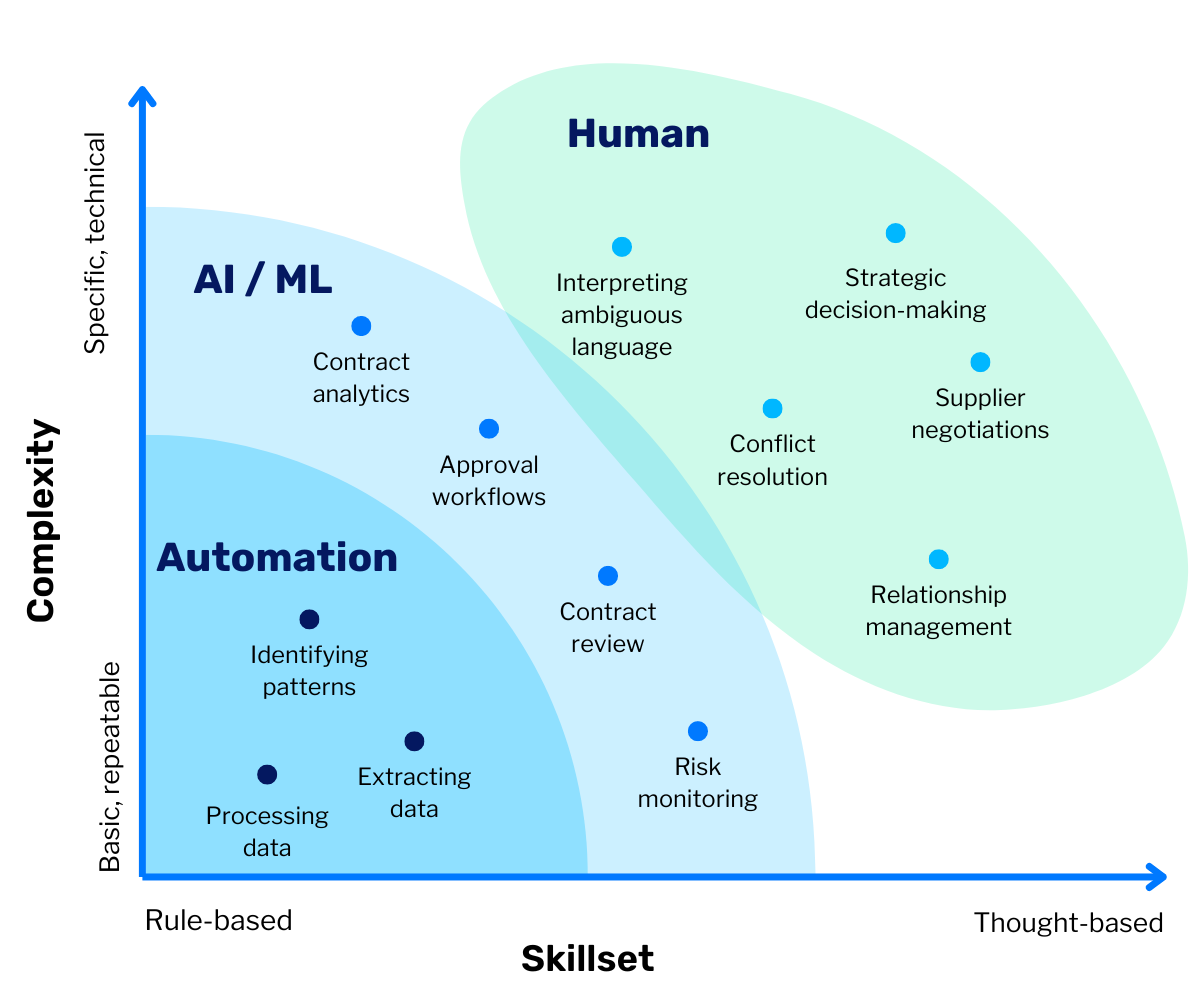
AI can review far more contracts and transactions than a person could manually, but it’s an experienced auditor’s intuition and negotiation skills that lead to real recovery.
How to choose the right third-party auditor
Most organizations don’t have the time to conduct regular contract compliance audits in-house. Hiring an independent auditor saves you time and typically better recoveries, too.
When selecting an audit partner for your team, we recommend keeping an eye out for the following criteria:

Specializes in contract compliance audits
Contract compliance audits require very specialized experience. Look for professionals who focus exclusively on these audits for maximum ROI.

Holds key certifications
Verify that the auditor team is comprised of Certified Public Accountants (CPAs), Certified Internal Auditors (CIAs), and Certified Fraud Examiners (CFEs).

Balances tech and people
The right partner combines AI technology with the human judgment of experienced auditors to handle the complexity and volume of your contracts.

Prioritizes transparent communication
Choose an auditor who’s upfront about their process and timeline, so both your team and your suppliers know what to expect.
Why Work With SC&H
SC&H provides fast, transparent audits that recover millions in overspend in as little as 30 days. We know how to navigate complex contract negotiations, resolve issues faster than our competitors, and prevent future value loss.
Our in-house team includes Certified Public Accountants, Certified Internal Auditors, and Certified Fraud Examiners. With more than three decades of experience serving Fortune 1 to Fortune 500 companies in over 25 countries, we deliver fast ROI and long-term savings. Our audits pay for themselves. Reach out to us today to get started.