

Businesses continue to operate in an environment defined by cost volatility, supply chain disruption, and increasing scrutiny of margins. Rising costs for labor, materials, and third-party services are no longer short-term challenges. They are persistent pressures that require a more strategic approach to procurement.
Even small gaps in supplier governance or contract execution can lead to meaningful margin erosion. Procurement teams are under increasing pressure to not only manage costs, but also ensure transparency, compliance, and resilience across the supplier base.
Key Procurement Levers That Drive Value
Modern procurement organizations are evolving beyond traditional cost-cutting tactics. They are instead focusing on three core levers to drive value:
- Cost Control: Ensuring pricing aligns with contractual terms and market conditions
- Risk Management: Strengthening supplier and contract governance
- Transparency: Gaining visibility into supplier cost structures and performance
4 Procurement Strategies to Protect Margins, Mitigate Contract Risk, & Fight Inflation
The following four strategies can help procurement leaders protect margins, reduce risk, and unlock measurable value.
1. Align Procurement Initiatives With Business Goals
Procurement must understand the operational and financial priorities of the business to develop sourcing strategies that deliver measurable impact. Leading procurement organizations are increasingly acting as strategic advisors to the enterprise, helping balance cost, risk, and performance across the supplier ecosystem.
This close collaboration with executive leadership and business stakeholders can optimize supplier relationships, improve decision-making, and drive sustainable value.
2. Optimize Supplier Relationships Through Transparency and Data
Strong supplier relationships are critical, but they must be supported by transparency, trust, and accountability. Without visibility into supplier cost drivers, organizations risk accepting price increases that may not be fully justified.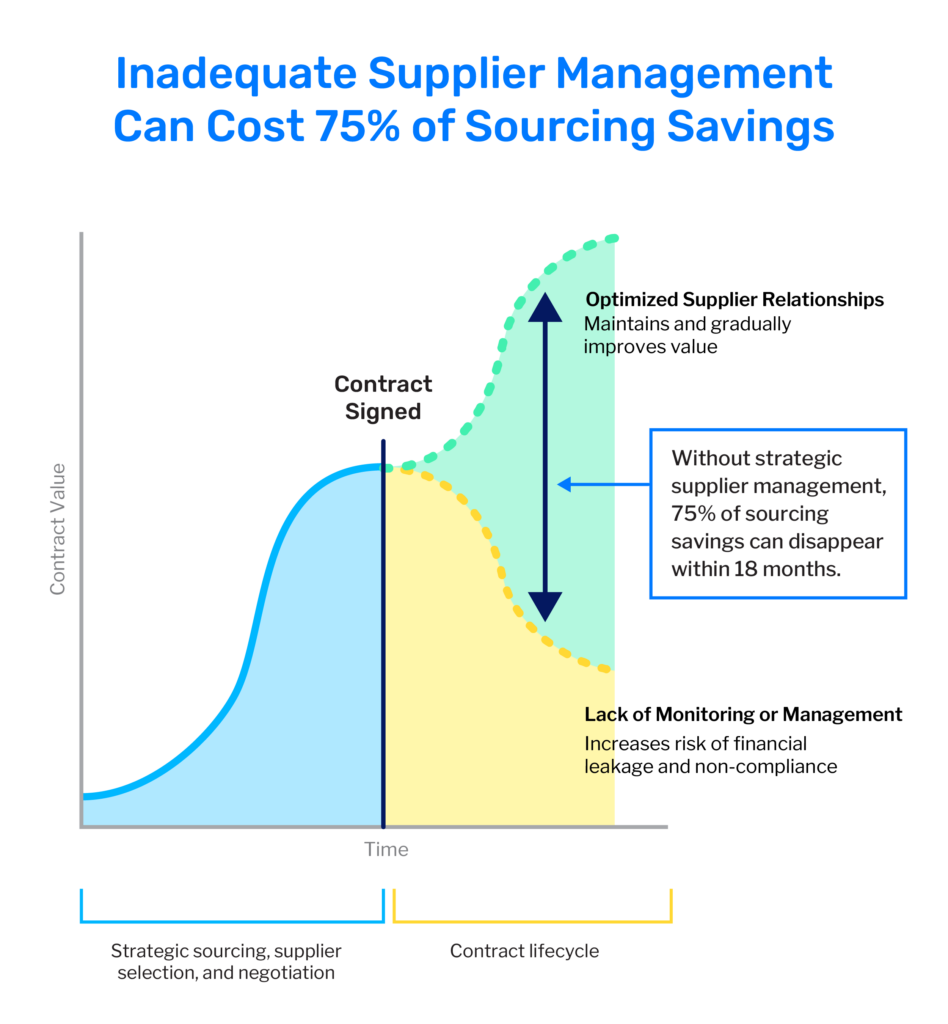
Key actions include:
- Consolidating spend across fewer suppliers to increase leverage and drive efficiencies
- Monitoring for new charges, surcharges, or pricing changes that may not align with contract terms
- Identifying changes in service quality or delivery that could indicate underlying cost-cutting by suppliers
- Leveraging market indices and benchmarks to validate cost increases
- Separating legitimate cost drivers from margin expansion
Establishing transparency into supplier pricing and performance enables more informed negotiations and stronger long-term partnerships.
3. Strengthen Contract Language to Protect Against Cost Escalation
Contracts remain one of the most effective tools for mitigating financial risk, but only if they are structured to address today’s challenges. Organizations should ensure that agreements include clear mechanisms for managing cost changes and enforcing compliance.
Key provisions include:
- Pricing escalation clauses that require formal approval for any price increases
- Audit rights that allow for detailed review of supplier billing and supporting documentation
- Data access provisions requiring suppliers to substantiate cost increases with appropriate evidence
- Index-based pricing mechanisms that align adjustments with objective market data
Well-structured contracts create accountability and provide a foundation for trust and effective supplier governance.
4. Leverage Contract Compliance Audits as a Strategic Value Driver
Contract compliance audits are a critical control for ensuring that negotiated terms translate into realized value. Audits provide the transparency and accountability needed to protect margins in a complex and dynamic supplier environment.
Organizations often find that a meaningful portion of supplier spend is impacted by pricing discrepancies, unapproved charges, or non-compliance with contractual terms. Identifying and correcting these issues can generate immediate financial return.
An effective audit program can:
- Validate supplier adherence to pricing, rebates, and contractual terms
- Strengthen internal controls and procurement processes
- Improve transparency and trust within supplier relationships
- Deter future non-compliance through increased accountability
- Identify and recover overpayments and missed savings opportunities
When executed effectively, audits do more than identify issues. They create a continuous feedback loop that improves governance, enhances supplier performance, and drives long-term value.
Protecting Your Margins with SC&H
Organizations that take a proactive approach to supplier governance are well positioned to protect margins, improve supplier performance, and navigate ongoing cost pressures and inflation.
By focusing on cost control, risk management, and transparency, procurement can evolve into a strategic function that delivers measurable financial impact.
SC&H’s Contract Compliance Audit team helps organizations uncover financial leakage, validate supplier pricing, and strengthen controls across the contract and supplier management lifecycle. Connect with our team to explore how we can help support your mission to elevate procurement into a source of measurable value.